Double-Coated Dogs in Winter: Why a Full Haircut Isn't Always the Right Choice
As temperatures drop across Toronto and the Greater Toronto Area, many pet parents start thinking about their dog's winter grooming routine. With thick, fluffy coats becoming more noticeable during the colder months, it may seem logical to schedule a shorter haircut to make everyday maintenance easier.
However, when it comes to double-coated dogs, removing too much coat isn't always the best approach.
Unlike dogs that require regular haircuts to manage continuously growing hair, double-coated breeds have a natural coat structure that serves an important purpose. Understanding how these coats work can help you make better grooming decisions throughout winter.
At Paws in the Bath (PITB), we believe grooming should support your dog's individual coat condition and comfort, rather than following a one-size-fits-all approach. Here's what pet parents should know about caring for double-coated dogs during the colder season.
Understanding What Makes a Dog's Coat Double
A double coat consists of two distinct layers that work together to protect your dog.
The outer coat: Also known as the guard coat, this layer consists of longer, coarser hairs. It helps protect the skin from environmental elements, including moisture, dirt and debris.
The undercoat: Beneath the outer layer sits a softer, denser layer of shorter hair. Its primary function is insulation, helping trap air close to the body and supporting temperature regulation.
This natural combination is particularly important during winter, when dogs need protection from colder outdoor conditions.
Breeds such as Siberian Huskies, Golden Retrievers, German Shepherds, Australian Shepherds and Samoyeds are familiar examples of double-coated dogs.
While their coats may look very different in length and texture, they share an important characteristic: their natural coat structure provides protection that should be preserved through appropriate grooming.
Why Shaving a Double-Coated Dog Isn't Usually the Answer
One common misconception is that removing a thick coat will make a dog easier to manage or more comfortable.
However, a double coat isn't simply excess hair that needs to be cut back.
Shaving or clipping a double-coated dog very short removes both the protective outer layer and much of the insulating undercoat. This can interfere with the coat's natural protective functions and leave the skin more exposed to environmental conditions.
There is also the question of regrowth. The two coat layers can grow back at different rates, and in some dogs, the coat may not return to its previous texture or appearance.
Another important consideration is that shaving does not eliminate shedding. Double-coated dogs will continue to shed as part of their natural hair growth cycle.
In some cases, severe matting may make clipping necessary for your dog’s comfort. At Paws in the Bath, this service is called Coat Correction/Shave-down. A veterinarian may also advise clipping for medical reasons, such as preparing for surgery.
However, for a healthy double-coated dog with a manageable coat, routine full-body shaving is generally unnecessary.
The objective should be to maintain the coat rather than remove its natural protective length.
What Double-Coated Dogs Actually Need During Winter
Winter coat care is less about shortening the hair and more about keeping both layers clean, manageable and in good condition.
Three important elements make a difference.
1. Thorough Bathing
Regular bathing helps remove accumulated dirt, debris and loose hair from the coat. It can also help loosen dead undercoat, making subsequent brushing and coat maintenance more effective.
The important consideration is ensuring that the bathing process is appropriate for your dog's coat density and skin condition.
2. Proper Drying
Drying deserves particular attention when working with thick double coats.
Because the undercoat is dense, moisture can remain trapped close to the skin even when the outer layer appears dry. Thorough drying helps prevent lingering dampness and keeps the coat comfortable.
Professional drying techniques allow groomers to work through dense layers more effectively, while adjusting the approach to the individual dog's comfort and tolerance.
3. Removing Loose Undercoat
Regular brushing helps remove loose, dead undercoat before it accumulates within the coat.
This is particularly helpful during seasonal shedding periods, when double-coated dogs may release substantial amounts of loose hair.
The goal is to remove excess loose hair without unnecessarily stripping or damaging the healthy outer coat.
Together, bathing, thorough drying and appropriate brushing help maintain the coat's natural condition without relying on a full-body haircut.
Seasonal Shedding or Compacted Undercoat: Can You Tell the Difference?
One of the most useful things pet parents can learn is that shedding and coat buildup are not the same problem.
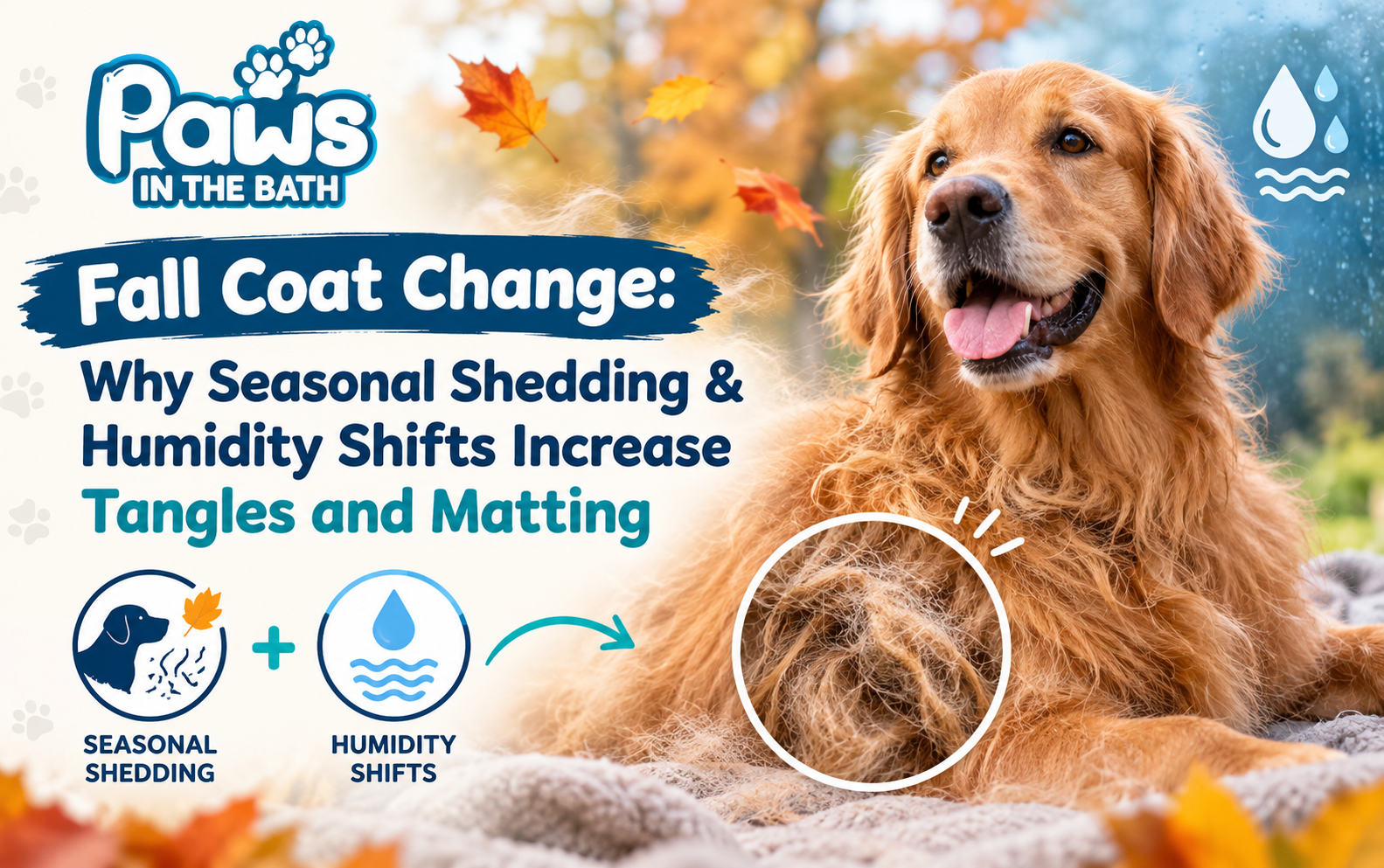
Double-coated dogs naturally release undercoat throughout the year, with some experiencing heavier seasonal shedding. Finding loose hair around the house, on furniture or in your dog's brush is therefore not necessarily a sign that something is wrong.
However, when loose undercoat remains trapped within the surrounding coat, it can begin to collect and form dense patches.
So, how can you tell the difference?
Normal shedding: Loose hairs come away relatively easily during brushing. The remaining coat feels reasonably even, and you can work through it without encountering persistent, dense tangles.
Compacted undercoat: Certain sections may feel unusually dense, packed or difficult to separate. You may notice clumps of loose hair caught close to the skin, particularly in areas where friction occurs.
Pay particular attention to behind the ears, around the collar, under the legs and through the hindquarters. These areas can be more prone to tangling and coat compaction.
A simple home check is to gently part the coat with your fingers and look down towards the skin. Check whether the hair separates comfortably or whether you encounter dense patches that are difficult to work through.
Avoid pulling at stubborn clumps or attempting to cut them out with scissors, as a dog's skin can become caught within matted hair.
Persistent matting, redness, unpleasant odour, excessive scratching or visible skin irritation deserves closer attention. A professional groomer can assess whether the issue is manageable through grooming, while skin concerns may require veterinary advice.
Understanding this difference helps pet parents recognise when a dog simply needs routine brushing and when additional professional coat maintenance may be beneficial.
Choosing the Right Grooming Service: Maintenance Over a Full Haircut
Understanding the difference between coat maintenance and haircutting is an important part of choosing the right grooming service.
That's the thinking behind the coat-based grooming menu at Paws in the Bath. Rather than assuming every dog needs a full haircut, our services are organized around individual coat characteristics and maintenance requirements.
For many double-coated dogs, maintenance-focused services may be more appropriate.
Bath & Brush
A Bath & Brush can be a suitable option for dogs that need routine bathing, thorough drying and brushing without a full-body haircut.
For a double-coated dog, this provides an opportunity to maintain coat cleanliness, work through loose hair and support general coat care while preserving its natural length.
Bath, Brush & Tidy
Some dogs need additional attention to specific areas without requiring their entire coat to be shortened.
A Bath, Brush & Tidy may be appropriate when targeted trimming is beneficial. This can include tidying the paws, feet, sanitary area or excess feathering where suitable.
For example, a Golden Retriever may benefit from routine bathing and brushing alongside a little tidying around specific areas, rather than a full-body haircut.
An additional De-Shedding Treatment may also be worth considering when the coat requires extra loose-undercoat removal.
The appropriate service depends on the dog's actual coat condition, density, shedding and maintenance requirements. Not every double-coated dog needs the same combination of services.
Winter Walks Can Affect More Than Your Dog's Coat
While most pet parents focus on keeping their dog's body coat clean during winter, the paws deserve attention too.
Snow, ice and road salt can accumulate around the feet, particularly between the toes and in longer hair surrounding the paw pads.
Here are a few things worth watching for:
Ice collecting between the toes: Small snow and ice balls can form within longer paw hair, becoming uncomfortable as your dog walks. Never pull at firmly stuck ice. Allow it to soften with comfortably warm water before gently removing it.
Road salt and debris: Salt and grit can collect around the paws after outdoor walks. Rinsing the feet with lukewarm water and drying them thoroughly can help remove this residue.
Excess hair around the paw pads: Long hair surrounding the feet may collect more snow, dirt and debris. If needed, your groomer can trim excess hair between the paw pads to help reduce snow and ice buildup.
Nail length: Winter conditions can also change how much natural wear your dog's nails receive. Snow-covered paths and softer ground may provide less abrasion than regular walks on pavement. Overgrown nails can affect paw placement and comfort, so nail length should not be overlooked.
These small checks can make a meaningful difference to your dog's comfort during the colder months.
They also explain why winter grooming isn't exclusively about managing a thick coat. A maintenance appointment can provide an opportunity to address the paws, tidy suitable areas and assess whether a nail trim is due.
Keep Your Dog's Coat Winter-Ready
A healthy double coat needs the right kind of attention, not necessarily a shorter haircut. From removing loose undercoat and maintaining coat cleanliness to keeping paws tidy and nails at a comfortable length, the right grooming approach can make winter maintenance easier for your dog.
At Paws in the Bath, our coat-based grooming services include options such as Bath & Brush and Bath, Brush & Tidy to support different coat maintenance needs. The aim is to help preserve your dog's natural coat while addressing the areas that need attention.
Give your dog the winter grooming care they deserve! Book your winter grooming appointment with Paws in the Bath today. With the holiday season approaching, we encourage pet parents to book ahead to secure a convenient appointment.
Paws in the Bath – Your Best Friend Is Our Favourite Client.